
Take a walk down the Astoria Riverwalk on a moody afternoon, and it’s easy to feel the ghosts of cinema past. We live in a town that practically served as the backlot for the golden age of the high-concept studio gamble. In the 1980s and 90s, Hollywood regularly poured millions into original, mid-budget ideas (think The Goonies or Short Circuit) that relied on a sense of place, physical effects, and a healthy dose of creative risk.
Fast forward to today, and the theatrical landscape looks… well, a bit like a recycling plant. If you glance at the major box office charts, it’s a numbing sea of familiar IP, endless sequels, and massive, multi-million-dollar blockbusters engineered by a committee to avoid risk at all costs. The industry has grown so cautious it’s practically wearing armor to cross the street.
But here is the plot twist: Hollywood’s absolute terror of original storytelling hasn’t squelched opportunity. If anything, it has cracked the door wide open for the rest of us.
The Power of the “Little Idea”
When the major studios stop making human-scale movies, audiences don’t magically stop wanting them. They just get bored and look elsewhere. This corporate retreat has created a vibrant, hungry market for smaller, deeply personal films.
If you are sitting on a “little idea” (a character-driven drama set in a coastal town, a minimalist sci-fi script that takes place entirely in a diner, or a quirky local comedy) stop waiting for a superhero cape. You aren’t fighting Hollywood for their turf anymore. You are operating in an entirely different ecosystem, one where your lack of a $100 million budget is actually your greatest creative weapon.
The Budget Paradox: A $150 million budget comes with a thousand strings attached, corporate notes from executives who didn’t read the script, and a mandate to please everyone on Earth. A micro-budget comes with absolute creative freedom. You only have to answer to your own artistic vision. Which sounds more fun?
Why the Current Era Favors the Underdog
If you are waiting for a permission slip or a massive production deal to bring your script to life, consider how the playing field has leveled while the studios weren’t looking:
- The Gear is Already in Your Pocket: The gap between consumer gear and Hollywood standards has narrowed to almost nothing. The phone in your pocket or a mid-range mirrorless camera paired with a decent lens can capture cinematic imagery that would have made 90s indie directors weep with envy.
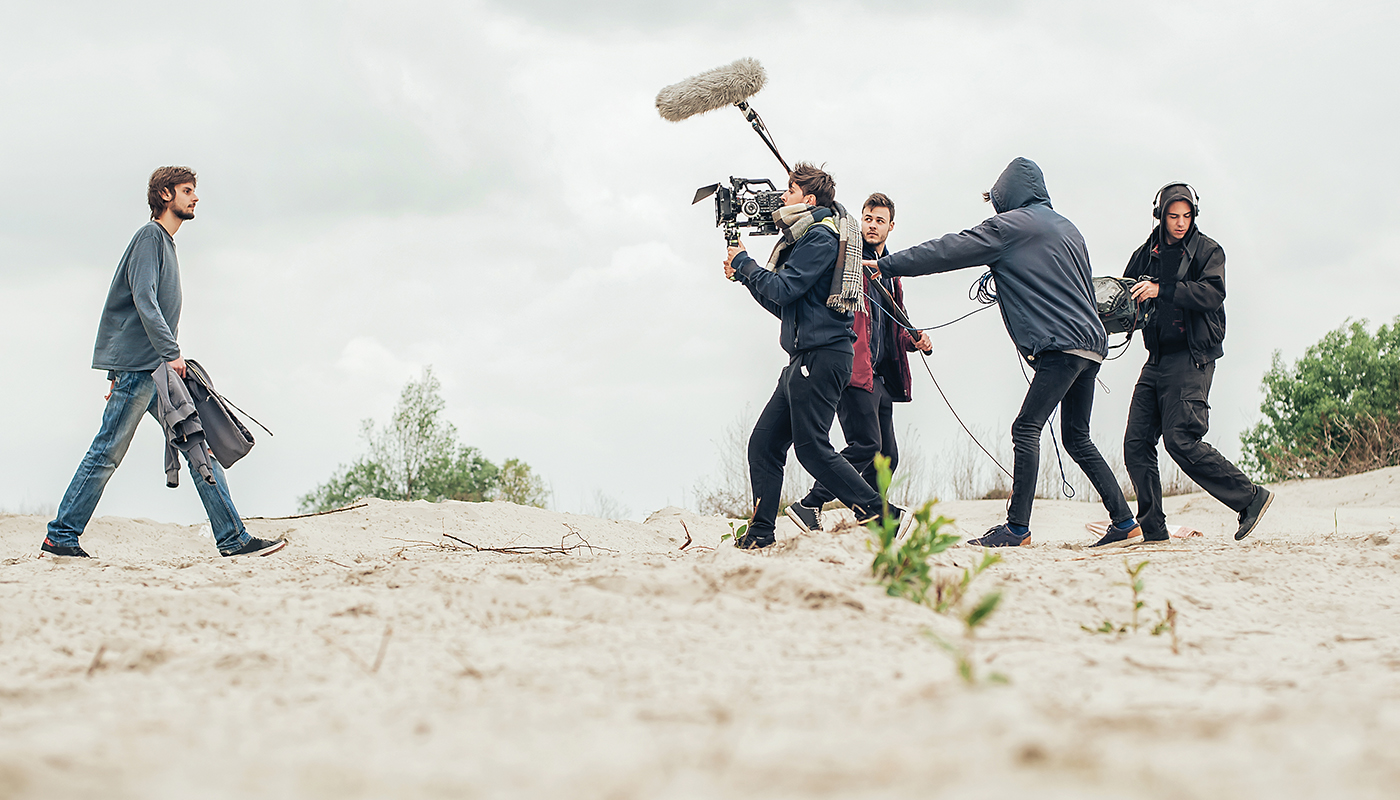
- Agile Storytelling Wins: Massive crews are slow, expensive, and require a permit just to sneeze. A tiny, nimble crew of three or four passionate people can chase natural light, capture raw performances, and pivot on the fly in ways a studio production never could.
- The Astoria Advantage: We live in a place built for independent storytelling. Astoria offers natural production value that money can’t buy: the dramatic geometry of the bridge, the texture of the historic architecture, and the shifting maritime light. You don’t need a massive VFX budget when you have our atmosphere right outside your window.
Trading Passive Viewing for Active Weaponry: Film Literacy
But let’s be honest for a second. Having a camera in your pocket and a moody riverbank in your backyard isn’t quite enough. If you want to build a real house, you don’t just buy a hammer and stare at a pile of wood; you have to understand how architecture works.
The secret backbone of telling your own stories isn’t the gear. It’s film literacy.
Before you can write a script that breaks the rules, you have to understand why the rules exist. You have to trade passive viewing—sitting on the couch letting images wash over you—for active analysis. When you can look at a scene and decode exactly how the director used visuals and framing to trap a character, how the cinematography manipulated your emotions, or how the invisible dimension of sound built the tension without you noticing, you stop being just a fan. You become an architect.
Understanding the history, the art, and the actual science of how moving images work is the ultimate shortcut to realizing your own “little idea” isn’t small at all. It’s a blueprint waiting to be drawn.
Stop Watching, Start Deconstructing: Join Us This Summer
The big-studio film industry might be playing it safe, but cinema itself is as wild and open as ever. If you’re ready to stop talking about making a movie and actually start learning the grammar of how they are built, we are launching our community adult track.
Starting this July, the APS Film School is partnering with Clatsop Community College to present FILM 1: Introduction to Cinema.
Over eight weeks on Wednesday nights at Towler Hall, we’re going to dive into the technical foundations of film language, deconstruct genres, look at how music videos reinvent narrative rules, and provide the critical tools to analyze how your favorite films are actually made and why they hit they way they do.
Whether you’re an aspiring filmmaker, a high schooler looking for inspiration, or just a casual movie fan who wants to be the most insightful person at the next Columbian Theater screening, this room is for you.
The industry might be risk-averse, but the best stories always come from those who know how the machine works. Registration is open now through the CCC website—let’s go build something original.
